Companion Animal Care Articles used with permission from All-Creatures.org
Ed Boks discusses what to do when you find very young kittens during kitten season and all year round.
Ask Me Anything #10: What Should I Do If I Find Kittens Too Young to Eat on Their Own?
From Ed Boks, Animal Politics with Ed Boks, AnimalPolitics.substack.com
May 2025
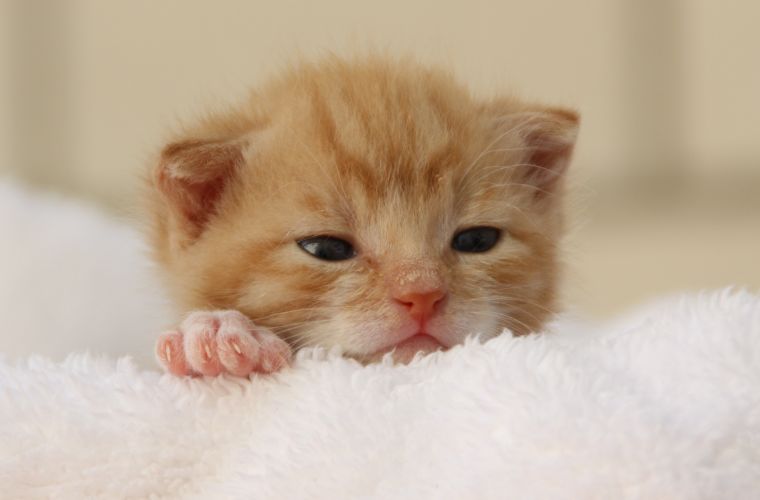
Photo from Canva
Question from Kate:
There’s a lot of emphasis, money, effort, and energy going into saving kittens too young to eat on their own. What do you see as the role of a municipal shelter in regards to this category of intake?
Animal Politics:
It happens every spring. A jogger spots a nest of squeaking kittens under a bush. A child finds a tiny furball mewling in a shed. The calls to shelters surge:
“What should I do?”
These aren’t just cute emergencies—they’re life-and-death decisions that affect municipal shelters, rescue groups, and entire ecosystems. The answers aren’t always intuitive.
Here’s what you need to know.
Step 1: Pause and Observe
Your instinct may be to scoop them up and rush them to safety. But that can do more harm than good.
Mother cats, even ferals, often leave kittens for hours to hunt or avoid human contact. If the kittens look warm, clean, and quiet, mom is probably nearby. Removing them too soon can orphan them unnecessarily.
Pro tip: Sprinkle a ring of flour around the nest and check back later. Tiny paw prints mean mom has returned.
Step 2: Intervene Only When Necessary
If you’ve monitored the situation for several hours (or even a day), and the kittens are cold, crying, dirty, or in danger, it’s time to act.
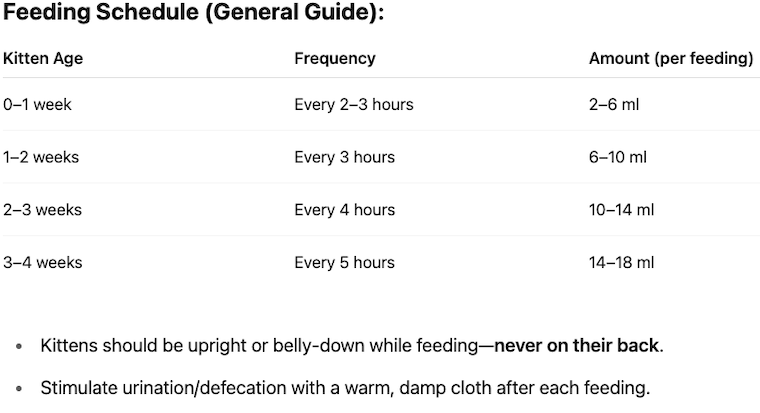
If possible, bring the entire family—kittens and mother—indoors to a safe, quiet place. If the mother can’t be caught, focus on the kittens: provide warmth, bottle feeding (with kitten-specific formula, not cow’s milk), and gentle care.
Common Brands of Kitten Formula:
- KMR (Kitten Milk Replacer) – Most widely used, available in powder and liquid
- PetAg – Manufacturer of KMR
- Breeder’s Edge Foster Care Feline – Often used by rescues and breeders
- Royal Canin Babycat Milk – Premium option, often used by vet clinics
- Emergency Kitten Formula* - See below
Step 3: Contact Your Local Shelter or Rescue
This is where municipal shelters play a pivotal role. Many shelters maintain foster networks or can connect you with volunteers trained in neonatal care.
Neonatal kittens are the most resource-intensive animals shelters receive. They need feeding every two to three hours—day and night. Without enough trained fosters, survival rates plummet.
Foster volunteers aren’t just caregivers—they’re life-savers. Every bottle fed, every night’s sleep lost, is a chance at a future.
Note: This overview is just the basics. Every situation is different. For the best outcome, contact your local shelter or feral cat rescue—they’ll help assess the situation and guide next steps.
Step 4: Plan for Spay/Neuter—with Legal and Ethical Care
Here’s where it gets nuanced.
Under California law, shaped by recent court decisions, Trap-Neuter-Return (TNR) is only legal for truly feral cats—those unsocialized to humans and unadoptable.
Returning a friendly, owned, or adoptable cat to the street is not only unethical—it may constitute criminal abandonment.
- If the mother is feral: Wait until the kittens are weaned (~8 weeks), then trap, spay/neuter, vaccinate, and return her to her original location.
- If the kittens are young and unsocialized: Follow the same protocol.
- If the kittens are friendly or can be socialized: Foster and prepare them for adoption. Break the cycle.
Step 5: Adopt, Don’t Abandon
Kittens who can be socialized—and their mothers, if friendly—belong indoors. Period.
A free-roaming cat, no matter how loved, faces dangers: traffic, predators, parasites, disease. More importantly, they contribute to the birth of more litters—each one a new shelter crisis.
If you care, keep them safe. Indoors is love.
What Not to Do
- Don’t assume mom is gone just because you don’t see her.
- Don’t feed cow’s milk—it can sicken kittens.
- Don’t separate healthy kittens from their mother too early.
- Don’t release tame cats or kittens back outdoors. It may be illegal.
The Bottom Line
Municipal shelters are the last safety net for our most vulnerable animals—but they can’t do it alone. Neonatal kittens are a community-wide responsibility.
Here’s how you can help:
- Leave healthy kittens with their mother when possible.
- Intervene only when necessary.
- Foster or support foster caregivers.
- Spay/neuter responsibly—only return ferals, never friendly cats.
- Adopt. Never abandon.
Every kitten saved, every cat fixed, is a step toward a more humane, sustainable future.
Want to help?
Contact your local shelter to become a foster or donor. Kitten season isn’t just a springtime problem—it’s a year-round challenge.
And you can be part of the solution.
*Emergency Kitten Formula
To be used only when commercial kitten formula (like KMR or Breeder’s Edge) is unavailable. This is a short-term emergency substitute—not a long-term solution.
Preferred Option (if available):
- 1 cup goat’s milk
- 1 egg yolk (no whites)
- 1 tablespoon full-fat plain yogurt (no sweeteners)
- 1 teaspoon corn syrup or sugar
Last Resort Option (only if goat’s milk is unavailable):
- 1 cup whole cow’s milk (see Important Note below)
- 1 egg yolk (no whites)
- 1 tablespoon full-fat plain yogurt (no sweeteners)
- 1 teaspoon corn syrup or sugar
Instructions:
- Warm to body temperature (about 100°F / 38°C) before feeding.
- Feed with a kitten bottle or syringe every 2–3 hours.
- Do not use this formula longer than 24–48 hours without veterinary guidance.
Important Note:
Cow’s milk alone should never be given to kittens—it can cause diarrhea and dehydration. This emergency mixture slightly improves digestibility, but should only be used temporarily until proper kitten formula can be obtained.
Return to a commercial kitten formula (like KMR) as soon as possible.
Posted on All-Creatures.org: May 27, 2025
Return to Companion Animal Care
Follow us on:


- Home Page
- What's New
- Contact Us
- Action Alerts
- Animal Exploitation
- Animal Issues
- Animal Rights Activism
- Archives
- Art & Photography
- Articles Directory
- Bible
- Bible Commentary Blog
- Books
- Campaigns
- Church & Religion
- Discussions
- Events / Podcasts / Media
- Health
- Hosted Web Sites
- Humor
- Kids' Korner
- Letters
- Links
- Nature Studies
- Newsletter
- Poetry & Stories
- Prayers
- Quotations
- Recipes with Photos
- Recipes Without Photos
- Sermons
- Stop Cruelty in Churches
- Video Library
- The Mary T. and Frank L. Hoffman Family Foundation
- Email: [email protected]
A web site sponsored by The Mary T. and Frank L. Hoffman Family Foundation and all-creatures.org
Copyright © 1998-2026 The Mary T. and Frank L. Hoffman Family Foundation. All rights reserved. May be copied only for personal use or by not-for-profit organizations to promote compassionate and responsible living. All copied and reprinted material must contain proper credits and web site link www.all-creatures.org.
Fair Use Notice: This document, and others on our web site, may contain copyrighted material whose use has not been specifically authorized by the copyright owners. We believe that this not-for-profit, educational use on the Web constitutes a fair use of the copyrighted material (as provided for in section 107 of the US Copyright Law). If you wish to use this copyrighted material for purposes of your own that go beyond fair use, you must obtain permission from the copyright owner.

Thank you for visiting all-creatures.org.