Companion Animal Care Articles used with permission from All-Creatures.org
Ed Boks breaks down how no-barrier adoptions are dangerous for companion animals and how shelters can better balance accessibility with animal safety.
Ask Me Anything #4: No-Barrier Adoptions
From Ed Boks, Animal Politics with Ed Boks, AnimalPolitics.substack.com
April 2025
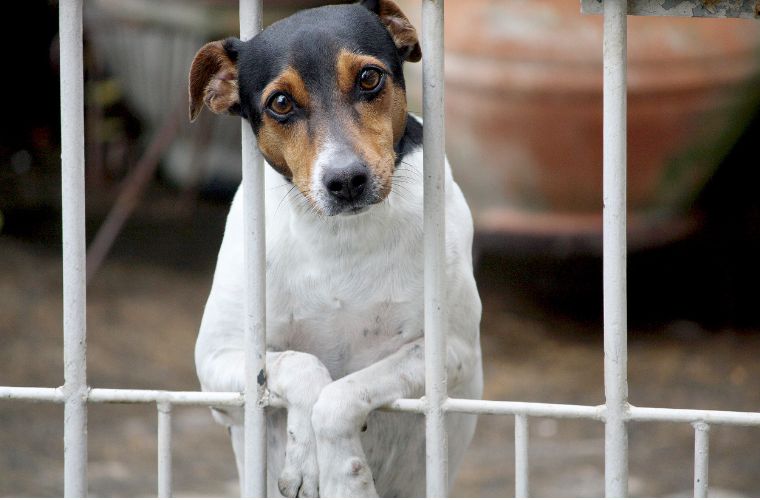
Photo from Canva
Welcome to the fourth edition of Ask Me Anything, a feature on Animal Politics where I answer your questions about animal welfare, conservation, and related issues. This series is designed to foster open dialogue and address your concerns directly.
In this edition, I tackle a controversial new policy sweeping the country—one that could set a dangerous national precedent if left unchecked.
Question:
What are the dangers of “no-barrier adoptions” in animal shelters, and how can shelters balance accessibility with animal safety?
Answer:
“No-barrier adoptions” refer to the removal or significant reduction of traditional adopter screening processes in animal shelters. These policies are intended to increase adoptions and reduce euthanasia by making the process as easy as possible—no background checks, no home visits, and minimal questions asked.
But like “managed intake,” “community release,” and “fast-tracking,” “no-barrier adoptions” is another ill-conceived policy advanced by the so-called Consortium—national organizations like Best Friends Animal Society, Human Animal Support Services, the ASPCA, and others—designed to move animals out of shelters at any cost, and as fast as possible, to artificially improve live release rates.
While their intentions are promoted as noble, these policies often distract from the fact that these organizations have deprioritized spay/neuter programs—the only widely accepted long-term solution to pet overpopulation. The consequences of this shift have been dire, both for the animals and the communities where these strategies are practiced.
When Good Intentions Go Wrong*
- Increased Abuse and Neglect
Without proper vetting, animals can end up in dangerous environments. For example:
- One man returned a dog with a rusted chain embedded in its neck.
- A woman was charged with torturing and killing multiple dogs she adopted.
- An adopted dog was returned three times, each time showing signs of severe neglect.
- Lack of Accountability
In Indianapolis, two shelter workers were fired for conducting background checks on adopters—one of whom had a conviction for animal cruelty. - Repeat Abandonment
Animals placed in ill-suited homes are more likely to be returned—or worse, dumped—leading to psychological trauma and continued risk. - No Follow-Up
Few shelters have systems to check on animals post-adoption. Consequently, abuses go unnoticed until it's too late.
Saving Lives Without Sacrificing Safety
Boosting adoptions is important—but not at the expense of animal welfare. Shelters can strike a balance by implementing a few key practices:
- Thoughtful Screening
Even basic checks—criminal history reviews, landlord confirmation, or a quick call to a vet—can dramatically reduce poor placements. While conversations help build rapport, they’re not foolproof. A few simple verifications can catch red flags:
- Veterinary Checks: A quick call or email can confirm whether past pets were well cared for.
- Landlord Approval: A brief confirmation can prevent unnecessary returns or evictions.
- Criminal History: Free or low-cost tools like backgroundchecks.com or state-specific databases can be used when red flags arise.
Rather than rigid applications, conversational counseling builds rapport, sets expectations, and educates adopters. When done well, it improves outcomes. It does require training, time, and resources—but those challenges can be mitigated by:
- Leveraging volunteers
- Using online background tools
- Streamlining procedures without compromising safety
These steps don’t require elaborate systems—just focused effort and sound judgment. Even in understaffed shelters, quick, targeted checks are possible with the help of volunteers or community partners. - Flexible Return Policies
Waiving return fees encourages adopters to bring animals back when they can’t care for them—rather than abandoning or harming them. - National Animal Abuser Registries
A centralized database of convicted abusers would help shelters avoid dangerous placements. Currently, Tennessee is the only state with such a registry. Local registries exist in places like:
- Volusia County, FL
- New York City, Suffolk and Albany Counties
States including Florida, Connecticut, and Virginia have considered statewide registries but haven’t yet implemented them. Widespread adoption of these databases could be a game-changer. - Post-Adoption Support
Training guides, behavior counseling, and follow-ups can dramatically reduce returns and improve success rates.
Refocusing on Spay/Neuter: A Preventive Strategy
Adoption alone won’t solve the shelter crisis. We will never adopt our way out of pet overpopulation.
The real solution is prevention—aggressive, targeted spay/neuter programs focused on high-intake areas, underserved communities, and free-roaming animals. These efforts drove historic euthanasia reductions in the early 2000s.
Unfortunately, support has shifted. Organizations like Best Friends Animal Society, the ASPCA, and PetSmart Charities now prioritize transport, adoptions, and live-release rates—reactive strategies that don’t address the root cause.
It’s time to recalibrate. National organizations must reinvest in spay/neuter—data-driven, community-focused, and proven to work.
Hope for Change
The debate over no-barrier adoptions reveals a growing recognition: Accessibility should not come at the cost of responsibility.
Trusted voices in shelter reform, like Robert Cabral,—a nationally renowned trainer and behaviorist who works with shelters to rehabilitate behaviorally challenged dogs—warn that “placing dogs in unsafe homes doesn’t save lives—it just transfers the risk from the shelter to the community.”
Shelters that strike a thoughtful balance—through screening, support, and smart policies—are seeing stronger outcomes: fewer returns, fewer failures, and more lasting human-animal bonds.
Progress is possible. With compassion, diligence, and a commitment to responsible placement, we can ensure that every adoption isn’t just an exit—but a success story.
If this issue concerns you, ask your local shelter about their adoption policies—and share this article with others who care.
*When Good Intentions Go Wrong
- Roxbury man faces animal cruelty charge after returning adopted dog with injuries
- Pringle woman arraigned on felony animal cruelty offenses
- Dog returns to Ky. animal shelter for third time after being abandoned again
- Mesa woman arrested, accused of torturing, killing multiple dogs
- Man Sentenced To 5 Years In Prison In Cat Burning Death
- Mesa County animal cruelty convictions overturned for officer's unconstitutional search
- Indy animal care workers fired for checking adopter criminal history
- Man arrested after skeletal remains of multiple animals found inside Seminole home
Posted on All-Creatures.org: April 16, 2025
Return to Companion Animal Care
Follow us on:


- Home Page
- What's New
- Contact Us
- Action Alerts
- Animal Exploitation
- Animal Issues
- Animal Rights Activism
- Archives
- Art & Photography
- Articles Directory
- Bible
- Bible Commentary Blog
- Books
- Campaigns
- Church & Religion
- Discussions
- Events / Podcasts / Media
- Health
- Hosted Web Sites
- Humor
- Kids' Korner
- Letters
- Links
- Nature Studies
- Newsletter
- Poetry & Stories
- Prayers
- Quotations
- Recipes with Photos
- Recipes Without Photos
- Sermons
- Stop Cruelty in Churches
- Video Library
- The Mary T. and Frank L. Hoffman Family Foundation
- Email: [email protected]
A web site sponsored by The Mary T. and Frank L. Hoffman Family Foundation and all-creatures.org
Copyright © 1998-2026 The Mary T. and Frank L. Hoffman Family Foundation. All rights reserved. May be copied only for personal use or by not-for-profit organizations to promote compassionate and responsible living. All copied and reprinted material must contain proper credits and web site link www.all-creatures.org.
Fair Use Notice: This document, and others on our web site, may contain copyrighted material whose use has not been specifically authorized by the copyright owners. We believe that this not-for-profit, educational use on the Web constitutes a fair use of the copyrighted material (as provided for in section 107 of the US Copyright Law). If you wish to use this copyrighted material for purposes of your own that go beyond fair use, you must obtain permission from the copyright owner.

Thank you for visiting all-creatures.org.