
School protects dairy posters while harming children
Articles from Tell Youth The Truth
School protects dairy posters while harming children
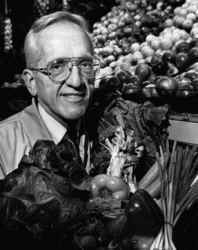 The following are actual transcripts including Dr. T. Colin Campbell
PhD’s testimony under oath as to the validity of the dairy industry’s
milk mustache’ propaganda in public schools. Dr. Campbell is on record
with the State of Illinois Board of Education in this case, as well as,
in
The
China Study, as evidence. Just like Gore, Oprah, and
Obama, the State of Illinois can no longer claim ignorance, the
following is an excerpt from
Peep Show For Children Only
The following are actual transcripts including Dr. T. Colin Campbell
PhD’s testimony under oath as to the validity of the dairy industry’s
milk mustache’ propaganda in public schools. Dr. Campbell is on record
with the State of Illinois Board of Education in this case, as well as,
in
The
China Study, as evidence. Just like Gore, Oprah, and
Obama, the State of Illinois can no longer claim ignorance, the
following is an excerpt from
Peep Show For Children Only
MR. DAVID WARWAK: I would like to make a formal request on the record.
ARBITRATOR SIMON: Yeah.
MR. DAVID WARWAK: There's a lot of discussion about milk posters and what they say and how big they are. I would like them in as evidence.
MR. RILEY: I want to make sure Josh is with his mom.
MS. ROGERS: I missed the beginning. I apologize.
ARBITRATOR SIMON: Let's wait until Mr. Riley gets back.
MR. RILEY: I want to put on the record, whenever I walk the people out, I always tell the kids, whatever they say, you did a great job, and thank the parents, and that's what I'm doing.
ARBITRATOR SIMON: Okay.
MR. DAVID WARWAK: There's a lot of discussion about what the milk posters say and no one really has a firm idea, including the man who hung them up had no idea what they actually said. I think that we need to see them especially in regards to dimensions. That was brought up also. I think we need to see the actual concrete things that we're talking about so we know what they are. And I would like to see them in this room as evidence.
MR. RILEY: We're not putting them into evidence. It's our case. We don't see it as even relevant to the case. And it's not been raised by us. We're not talking about the posters.
MR. DAVID WARWAK: Every time the milk posters have been raised there
hasn't been any objection to the relevance, and we have already made it
part of the
record. That makes it relevant. Mr. Cappellania hung the posters up and
he couldn't even tell us what they said. I think it's an important issue
in this case and we need to see them.
ARBITRATOR SIMON: Well, in your case in chief -- I presume you're going to testify, Mr. Warwak.
MR. DAVID WARWAK: Yes.
ARBITRATOR SIMON: You can give me a description of the poster. You can describe it for me.
MR. DAVID WARWAK: I --
ARBITRATOR SIMON: I have a general idea of what the posters look like. I have seen posters of that nature.
MR. DAVID WARWAK: They all say different things and we need to see what they say for this case.
MS. ROGERS: One thing just to mention, as Mr. Cappellania testified, the posters change from time to time. Even the ones that are there now aren't the ones that are there in the fall so as to what they say, they rotate.
MR. DAVID WARWAK: We know that. He did not offer that testimony. He never talked about how they rotate. I would like to see the posters that are up.
MS. ROGERS: Yes, he did. Go look at them.
ARBITRATOR SIMON: Are you suggesting a site visit?
MR. DAVID WARWAK: If they don't want to bring them here, I would love to go to the school with everyone, write down what they say and measure them so we have dimensions and then return here. I think that it would be a wonderful thing.
MR. RILEY: It's not -- the only thing I'm going to say is it's not relevant to our case,Mr. Simon, at this point we're not putting it in. It's our case and --
ARBITRATOR SIMON: But the posters are in your possession and Mr. Warwak is requesting them. I suppose make a subpoena duces tecum to request them.
MR. RILEY: I guess we'd object on the grounds of relevance. I'm not
sure what the milk posters have to do with the case. It doesn't have to
do with the
district's case. Mr. Warwak is alluding to these things but I can't --
it still doesn't have any relevance to the nature of the charges. Mr.
Warwak doesn't like the milk posters but the milk posters aren't our
case.
MR. DAVID WARWAK: Just saying that there's no relevance doesn't prove your point when we have been talking about the milk posters and we had Mr. Cappellania on the stand, I'm -- part of the reason I'm being fired is because of these milk posters. It has every relevance in the world.
MS. ROGERS: The milk posters have come up in the context of the
information that he gave children in class or at which he discussed with
our staff
members. Our questioning has simply been about that. What he discussed
has not been about whether milk posters are right, wrong or indifferent.
So the actual milk poster itself is not relevant. What Mr. Warwak told
the students about them is. That's been our line of questioning.
ARBITRATOR SIMON: Well, I think the posters are relevant because there has been discussion in the classroom about the posters. And that, in itself, makes it relevant aside from the fact that they have been discussed by both parties here at this hearing. The question is the vehicle for bringing them into the record. Like I say, I have seen a number of posters of this nature. I don't think I need to see every individual one of them.
MR. DAVID WARWAK: They are all different. They say different things.
ARBITRATOR SIMON: I know that. And I don't think we can put together
a compilation of all of the posters that have ever been displayed at the
school.
I think that for me, my purposes as the hearing officer, if you can
describe to the best of your recollection what those posters say.
MR. DAVID WARWAK: That is one reason I need to see them is because I want to speak the truth, not my recollection. I want to see the actual thing.
MR. RILEY: Could we make a suggestion about this?
ARBITRATOR SIMON: Sure.
MR. RILEY: We don't want to take the milk posters off the wall. I mean, we have got Mr. Warwak driving up and down on his Harley.
MR. DAVID WARWAK: This is irrelevant and that's already been addressed.
MR. RILEY: I'm going to make it relevant. Now we're going to take the milk posters down that Mr. Warwak --
MR. DAVID WARWAK: No relevance.
ARBITRATOR SIMON: Mr. Warwak.
MR. RILEY: Now he wants the milk posters taken down so the kids can see that. What we would suggest is that the hearing officer, after hours, can take a trip over there, take a look at the posters in their – in context in the cafeteria.
ARBITRATOR SIMON: I think -- what time does the school close.
MS. JACQUELINE KRAUSE: Students are dismissed at 2:40 -- band kids and all that are there until 3:10.
ARBITRATOR SIMON: Okay. We're scheduled to go until 5:00 today. Do you anticipate going until 5:00?
MR. RILEY: I think probably. Dr. Krause is next and then we have one student, but Mr. Warwak is probably going to have some cross-examination of Dr. Krause. Probably take us to 5:00.
MR. DAVID WARWAK: I'm all for going there and personally seeing them after the students are gone with everyone. I'm fine with that.
ARBITRATOR SIMON: I think that's probably the best solution and, you know, whatever time we finish, as long as it's after all the students are out of the school, we'll do a visit. I presume you have a key to the school.
MS. JACQUELINE KRAUSE: I do.
ARBITRATOR SIMON: One of the responsibilities of the superintendent is to carry the key to the school.
MR. DAVID WARWAK: Excellent. Thank you.
(Now armed with ammunition)
THE NEXT MORNING:
WITNESS IS: DR. T. COLIN CAMPBELL PHD.
ARBITRATOR SIMON: That will ultimately be part of the official record.
MR. RILEY: I was just saying good morning, Dr. Campbell. It's very nice to me you.
THE WITNESS: Good morning.
VOIR DIRE EXAMINATION BY MR. RILEY:
Q Dr. Campbell, do you understand that today -- is it your understanding that today you are going to testify about --
MR. DAVID WARWAK: Why is he asking questions? I'm asking questions.
MR. RILEY: I'm asking -- I'm trying to --
MR. DAVID WARWAK: We're trying to stick with procedure and then you vary it. It's not right.
MR. RILEY: I'm going to ask him to see what -- where we're going with this just to get the qualification.
MR. DAVID WARWAK: You'll find out when I ask the questions.
ARBITRATOR SIMON: Mr. Warwak, he's entitled to voir dire the witness on his expert status and we need to find out where his area of expertise lies in relation to this case. And this is the procedure.
MR. DAVID WARWAK: Okay.
ARBITRATOR SIMON: Proceed without getting into substance. We're dealing only with qualifications.
BY MR. RILEY:
Q Just so we understand, your expertise is geared towards, as we understand it, talking about the merits of a plant based diet for a school lunch program?
A That's one of my major areas of expertise, yes.
Q And you talked with Mr. Warwak about that and that's your understanding as to what you'd be testifying to today, the merits of a plant based diet for the school lunch program?
A That's kind of specific. In a broader sense I'm talking about the role of nutrition in health and it just so happens that that broad -- as opposed, for example, to genes or as opposed to, you know, noxious chemicals and things like that. So I want to make that umbrella statement.
Q Thank you, sir. So you're going to talk about plant based diets and nutrition, correct? That's --
A That's -- yes, good nutrition involves the consumption of plant based diets.
Q That that's actually a good thing?
A Yes. Exactly.
MR. RILEY: We're going to object because the merits of a plant based diet is not what's at issue in this case, and I think that the hearing officer has kind of made that point Monday, Tuesday, again this morning, that that's really not what is at issue in this case.
ARBITRATOR SIMON: Mr. Warwak.
MR. DAVID WARWAK: I brought -- I had asked Dr. Campbell to come here and comment about the milk mustache posters, if the statements on them are true or misleading. I thought if I got the world's foremost authority on nutrition that's written the most comprehensive study on nutrition ever conducted that he would be qualified to speak whether those milk mustache posters are true or not.
ARBITRATOR SIMON: Mr. Riley.
MR. RILEY: The truth or falsity of the milk mustache posters isn't at issue in the case.
ARBITRATOR SIMON: How is it, Mr. Warwak?
MR. DAVID WARWAK: It's what the whole case about. I went to Jerry and told him that the milk mustache posters were wrong. No one listened to me. Now I brought the -- they said it was because it's my personal beliefs. I brought an expert here who's going to talk about science, nothing about beliefs, and talk about whether the milk mustache poster statements are true or false.
ARBITRATOR SIMON: Mr. Warwak, I will let you question the witness with respect to the truthness or falseness of the milk mustache posters. Limited to that. Let me explain, Dr. Campbell that I made it very clear prior to this hearing and during this hearing that specific diets are not on trial in this case; that this is not a hearing to determine whether eating meat is good or bad or whether a plant based diet is good or bad. That's beyond the scope of my authority so I am not going to take testimony related to the quality of those diets and the effects -- I'm lecturing.
THE WITNESS: Okay.
ARBITRATOR SIMON: This is not colloquy. I'm not here to take testimony as to the effects of those diets on people. If you want to limit your testimony to the facts -- the alleged facts as stated on the milk mustache posters, that's fine.
MR. DAVID WARWAK: Thank you.
ARBITRATOR SIMON: And I do consider the witness qualified in that regard.
MR. DAVID WARWAK: Thank you. I went to the school and we wrote down what the milk mustache posters say and they're numbered, if you could --
ARBITRATOR SIMON: What exhibit did you refer the witness to?
MR. DAVID WARWAK: That one is --
MR. RILEY: We have Exhibit 5.
ARBITRATOR SIMON: Respondent 5.
MR. DAVID WARWAK: Correct.
CONTINUED DIRECT EXAMINATION BY MR. DAVID WARWAK:
Q Looking at No. 1, it says eat three a day of dairy for stronger bones. Would you say that is a scientifically accurate statement?
A No. Absolutely not.
Q Why not?
A Dairy is the food that chiefly supplies the calcium in the diet, much so-called good protein in the diet, and dairy protein in particular which is the centerpiece of my research for 27 years, the main protein of dairy is casein. It turns out that we could just turn on and turn off cancer, experimental cancer -- this is published in the very best journals -- we can turn on cancer in experimental animals in this case just like -- that's the model that's often used to determine what causes cancer and what doesn't, I should say. But in any case, we can turn on cancer by feeding casein at levels above the required amount of protein. It was dramatic. We studied it in great detail. Just in that subject alone we must have at least 50 peer reviewed publications. We know a lot of how it works. If the fact that casein which probably represents animal protein in general, if that's substituted with plant protein, that doesn't happen even when the plant protein is at significantly higher levels. So in coming back to your question, that alone suggests that consumption of dairy, especially at the younger ages, is a problem. This was a finding that I had a hard time accepting as I went through my career because I came from a dairy farm and my early research was focused on exactly the opposite proposition. In addition to calcium -- this is why I brought along some of these slides here that I often give in my lectures. It turns out the higher the consumption of calcium which obviously primarily comes from dairy, the higher the consumption of calcium, the higher the rate of osteoporosis which the dairy industry will -- that's their main claim when they make these kind of claims. They say strong bones and teeth. We've all heard that. I heard that as a kid, when in reality, higher calcium diets develop, you know, primarily provided by dairy is associated with higher osteoporosis and not lower. That's been known for a long time. Not been publicized. The dairy industry does not want to talk about that. Another reason -- I just yesterday, by coincidence, was sent a paper that just came out from a major study in Britain showing that children consuming higher levels of dairy have a threefold higher -- that's a lot -- a threefold higher risk of colon cancer later in life. I think those reasons alone -- I could name many more -- that's why I say this is absolutely false.
Q So you would say that eat three a day of dairy for stronger bones is a false statement?
A Yes.
Q Do you think a false statement should be hanging in a school?
MR. RILEY: Objection. Qualifications of the witness.
MR. DAVID WARWAK: He's highly qualified. He works with the lunch program. He's instrumental in making laws and going before boards and he's very qualified.
MR. RILEY: The ruling was that he was to testify about the milk posters, not about whether he thinks they should or should not be hanging in school.
ARBITRATOR SIMON: I'll let him express an opinion. You may answer the question.
THE WITNESS: No, I don't think they should be hung in public places, especially in school programs because the work that I have developed over the years with my colleagues, one group that is most susceptible, is vulnerable to wrong information are children. If children cannot, in fact, have access to the correct information, they're setting a pattern that most likely that will leave them with an imprint for the rest of their lives as this paper just came out from London.
MR. DAVID WARWAK: Excellent.
BY MR. DAVID WARWAK:
Q Take a look at No. 2. It says bone up on calcium and other important nutrients. Three servings of milk, cheese or yogurt each day is a delicious way to build stronger bones and a healthy body. And that was sponsored by Adidas Shoe Company. Would you say that statement is true?
A No.
Q Why not?
A That statement came from the food – from the dietary guidelines committee of the United States Department of Agriculture. It usually had 10, 11, 12 members that are rotated every five years. The penultimate, not the one at the moment, but the one previously was chaired by people I know, a man I know very well. I know the members of the committee. They were actually sued in Washington. Legal action was brought against them and they're all professors and the like. There was legal action brought against them to reveal their association with the dairy association, either getting personal compensation or getting research money. United States Department of Agriculture would not release these so-called conflicts of interest statements that we all have to do. They would not make this information public when, in fact, the Freedom of Information Act specifically said they had to be public. So it went to court. It rested in the court for eight months. The judge made a decision they had to reveal their association with the dairy industry. Six of the eleven members of that committee including the chair had an association with the dairy industry. And the chair, in fact, himself had taken more money without telling the public about it than he was allowed under the law. So the policy -- this policy of this three servings of milk per day comes from that committee and it's heavily influenced by the dairy industry. So it's a self-serving statement for the industry of course.
BY MR. DAVID WARWAK:
Q So you're saying the people that are making these recommendations are sometimes doctors but they're corrupt doctors?
MR. RILEY: Objection.
THE WITNESS: I don't like to use the word corrupt.
ARBITRATOR SIMON: Sustained.
BY MR. DAVID WARWAK:
Q Take a look at No. 3. It says win by U.S. and then it has celebrities. I'm sure you've seen the milk mustache posters that have celebrities. It has five women on there and two of them, I believe, are African-American. It says body by milk. Some studies suggest teens who choose milk instead of sugary drinks tend to be leaner, plus the protein helps build muscle. America's milk producers. It was sponsored by them. That's why their name is on there. Then they link to a web site bodybymilk.com. And if you go to that web site they --
MR. RILEY: Objection, foundation.
ARBITRATOR SIMON: Sustained.
BY MR. DAVID WARWAK:
Q What do you think of that milk mustache poster, what it's saying? Is that a true statement?
A I think you raised two questions. One was having to do with the African-American group. Secondly I think you were talking about celebrities, athletes. This is as I see it here. Two comments: First off, the African-American community as well as the Hispanic community, I should add, have a very high proportion of those children are lactose intolerant which is an indication -- that in and of itself can be problematic but that's an indication of a serious or a would be serious allergy as children go forward. The second thing is that as far as athletes are concerned, I've worked with world class athletes. The most recent being and that's what I put this last statement -- you may have seen in this the Wall Street Journal. It's the biggest article I have ever seen in the Wall Street Journal. In fact –
ARBITRATOR SIMON: We don't have that in evidence here.
THE WITNESS: In any case, it's --
MR. DAVID WARWAK: Can we enter it in evidence?
THE WITNESS: He's a world class athlete --
ARBITRATOR SIMON: This is part of the packet here?
THE WITNESS: Yes, it is.
ARBITRATOR SIMON: It's two pages?
THE WITNESS: Yes.
ARBITRATOR SIMON: You have that, Mr. Riley?
THE WITNESS: This is turning out to be a -- I'm sorry.
ARBITRATOR SIMON: Just a second.
MR. DAVID WARWAK: It's the very last two pages.
ARBITRATOR SIMON: Mark this Respondent 9.
(Whereupon, Respondent Exhibit No. 9 was marked for identification.)
MR. RILEY: I'm so sorry. It's this. I think -- objection, foundation. I think if Dr. Campbell wants to talk about it, he can, but we would object on the grounds of foundation.
THE WITNESS: Want me to continue? No? Okay.
ARBITRATOR SIMON: Let me understand, Mr. Warwak, what the portion of this -- these two pages we're looking at are the picture on the first page and the item in the upper left-hand corner on the second page?
MR. DAVID WARWAK: Yes.
THE WITNESS: Yeah.
ARBITRATOR SIMON: I'll take that exhibit with the note that there's a jump to another page that is not in the exhibit.
MR. DAVID WARWAK: Call that respondent --
ARBITRATOR SIMON: This is Respondent 9.
MR. DAVID WARWAK: You may continue. You were in midstream before you were interrupted.
THE WITNESS: I was talking about athletes and I did bring this along because I know this is a very sensitive area. Professional athletes have a mindset that consuming very high protein diets especially whey protein and dairy products and wheat, it's what makes them do their stuff. Actually there's some old data, from a hundred years ago, showing that is mischievous. And this gentleman here, Tony Gonzalez -- you may know his name -- he's an all pro end for the Kansas City Chiefs and he's destined for the hall of fame, I'm sure. He got a copy of my book when he was on a plane. This is what the Wall Street Journal tells. This incident is only part of the article. The part that is not here is talking about me about this. But in any case, he got the book. He decided to try this way of eating. At the beginning of last season and the Kansas City Chiefs actually train here in – nearby here in Wisconsin. And I have a friend who's a – runs a -- is a body building friend. And he trains professional athletes as well, works with world class athletes. And his gym is nearby where they were training. So I linked them up. His name is John Himes. And Tony Gonzalez. And John told him that he's trying to get his clients, you know, eating this way in order for -- to get better bodies. Tony called me up when he started this whole thing and was a little concerned because he lost some weight and professional football players don't particularly like to lose weight obviously. Lost seven pounds. And wanted to know what I thought about all this. Because he said he felt better when he was living on the plant based diet. And I told them there was literature on that, I happened to know, in working with other athletes that they do gain. So between John here in Wisconsin and myself, Tony decided to go with this program for the last season. And so he went through the season eating this way and he won -- he came in first. This is his eleventh season. He's supposed to be over the hill. He came in first place this year for the most catches of a tight end in the NFL. In fact, this past season he broke the all-time record for the most catches, the most touchdown passes and the most yards gained of any NFL tight end in the history of the National Football League. He's been quizzed on it on national TV. He was recently on ESPN and the interviewer asked him, did you really do that? And he said, yes. And he said, why did you do it? He said, because I felt better. And he had more agility and more energy and so forth. There's another issue -- the reason this is such an important issue -- and Tony is the one filled me in on this. I had already have information otherwise. But the average age of death of National Football League players is 56 years. 56 years. Because they are -- in fact, they're dying of cancer, heart disease, diabetes, and diet related illnesses. I thought it was 53 based on what Dave Scott, he's the guy who won the Ironman Triathlete some years ago, he was in my class and stayed with me. He was working with the NFL at that time as a consultant. He told us it was 53 years for the linemen. I said that to Tony, I said I heard this but I don't have any verification of it. So he stopped me in mid sentence – he calls me Doc -- he says, Doc, he says I want to tell you, he says the fact of the matter is for all NFL players the average age of death is 56 years. If this is all true, and I'm only telling you what I have learned, and the theoretical basis for this, if this is true, this is a big story. The Wall Street Journal got wind of this and contacted me, interviewed me, went to see Tony, and wrote this article. Largest article I have ever seen in the Wall Street Journal. So athletes, coming back to the athletes question, you're asking me about athletes, I could name a number of athletes, world class athletes such as Carl Moses, the most gold medals in the history of the Olympics. Gary Player, might probably know who Gary Player is, the famous golfer. Gary Player had got the book here about a couple years ago, he was going to be on national TV, and he wanted to know if he could mention this on TV. I said, sure, go for it. So he did.
MR. RILEY: We're going to object at this point and we're going to object, with all due respect to Dr. Campbell, it's way beyond, we believe, the question of the milk posters.
ARBITRATOR SIMON: Sustained.
BY MR. DAVID WARWAK:
Q Mr. Warwak told his kids that if they try a vegan diet they can live five to ten years longer. Would you say it's a true statement?
MR. RILEY: Objection. The testimony was supposed to be limited to the milk posters.
MR. DAVID WARWAK: I feel the question is very relevant. Object to the question other than it's not a milk mustache poster question.
ARBITRATOR SIMON: I thought you proffered the witness to talk about the --
MR. DAVID WARWAK: Is there a problem with that question? It's a very relevant question. You know, Mr. Warwak told his kids that they're going to live five to ten years longer, you had every kid up here saying that Mr. Warwak said this, Mr. Warwak said this and you're trying to use that against me. I'm asking the world's foremost authority if that's a true statement or not. I think it's very relevant.
MR. RILEY: We actually had this discussion right at the beginning of the testimony and it had to do with what's the scope of Dr. Campbell's testimony, and it was going to be about the milk posters. Now we're --
MR. DAVID WARWAK: I just broadened it.
ARBITRATOR SIMON: That was your proffer of the witness, Mr. Warwak. I didn't limit you as to why you were offering the witness. This is what you said and --
MR. DAVID WARWAK: I didn't say that was the only thing. I brought him --
ARBITRATOR SIMON: Mr. Warwak, you were asked what the witness was here to testify to and you explained that he would testify --
MR. DAVID WARWAK: I did not say only. This is a very relevant question.
ARBITRATOR SIMON: Well, I'm limiting the witness' testimony to that. That's what you proffered the witness for.
BY MR. DAVID WARWAK:
Q Do you think that if the athletes, when they're young and they don't try the vegan diet, that they're putting their life at risk maybe by five, ten years less?
MR. RILEY: Objection.
THE WITNESS: Yes.
MR. RILEY: Move to strike the answer, objection. Same objection. He's been proffered to talk about the milk posters. Dr. Campbell has been proffered to talk about the milk posters. You have made your rulings multiple times, Mr. Simon, on this point. It's not about a vegan diet or plant based diet.
ARBITRATOR SIMON: I don't see any reference to vegan diet or plant based diet in the exhibit Respondent 5. It's limited to dairy products.
MR. DAVID WARWAK: We just entered this exhibit in and it says vegan on the top of it.
ARBITRATOR SIMON: I just limited your questioning, Mr. Warwak.
MR. DAVID WARWAK: To?
ARBITRATOR SIMON: The milk posters.
MR. DAVID WARWAK: Okay.
BY MR. DAVID WARWAK:
Q When an athlete sees a milk mustache poster, does he believe that milk will be good?
MR. RILEY: Objection as to what an athlete believes when he sees a milk poster. Form of the question.
ARBITRATOR SIMON: Sustained. The witness can't know what an athlete might think.
BY MR. DAVID WARWAK:
Q Do you think that it's wise to have an athlete promoting milk on a poster?
A No.
Q Why not?
A Well, we now have excellent evidence, for example, as published in the literature to show that on average people do live in fact 10 to 12 years longer who are consuming, you know, a vegan-like diet. That means no dairy, by the way. And one of the key elements of that longer life, in fact, is basically dairy.
Q Excellent. What about the statement body by milk, what is that saying? It's on No. 4. It's their slogan body by milk. What are they saying with that? What scientific statement are they making with that?
A I don't know.
Q Are they making any scientific basis to that statement?
A I suspect they're meaning stronger bones and teeth and perhaps more muscle, my guess.
Q That same poster, No. 4, has basketball player celebrity Steve Nash. He's promoting drinking three glasses of low fat milk a day. Is that a -- is he qualified to be promoting that?
A I don't know Steve Nash. I'm going to suggest he's not qualified.
Q Do you think you're qualified to make an assessment on that statement?
A Yes.
Q What do you think about that statement?
A Well, to elaborate a little bit on the question you just asked me, when I say Steve Nash is not qualified, Tony Gonzalez incidentally wears a milk mustache. He was contracted by the dairy industry. And his picture is on the billboards in Kansas and that part of the country. And so he knows well -- in fact, he told me, he says, I don't know what to do with this information so he's got -- he's wrestling himself with this question, why athletes have been targeted.
Q Excellent. Then getting back to that drink three glasses of low fat milk a day, so they're just saying drink it. Are they saying anything else?
A Yes.
MR. RILEY: Objection. Document speaks for itself. They're saying drink it.
ARBITRATOR SIMON: Rephrase the question.
BY MR. DAVID WARWAK:
Q It says drink three glasses of low fat milk a day. Do you think that's good advice?
A No.
Q Why not?
A The inference there is that if one consumes milk that's low in fat, there might be some enhancement of health. That comes from old literature 20, 30, 40 years ago. However, low fat milk is higher in protein and it's the protein that causes us the problem. In fact, if you look in your packet -- you don't have the packet there -- the relationship between skim milk intake and prostate cancer is very impressive. And skim milk has protein, it does not have fat. It's really the protein that is the culprit here. So that's why I say this low fat milk, the suggestion is that somehow it's healthier, I guess, when in fact it's not.
Q Would you say recommending a child to drink three glasses of low fat milk a day will be setting them up for prostate cancer?
A Yes.
ARBITRATOR SIMON: At least the male students.
MR. DAVID WARWAK: Yes. Thank you.
BY MR. DAVID WARWAK:
Q How is that going to affect female students drinking three glasses of low fat milk a day?
A Well, men, of course, have prostate cancer as their reproductive cancer, as we say in the trade. Women have uterine cancer, breast cancer and endometrial cancer. That's their vulnerability. What we see with respect to milk and prostate cancer for men we also see very impressive relationship between milk consumption and breast cancer and uterine cancer and endometrial cancer for women possibly and probably involving the same kind of sort of biochemical mechanisms involving hormones and all that sort of stuff.
Q Would you say instead of saying drink three glasses of low fat milk a day, if they said drink three glasses of water a day, would that be putting them at risk of cancer?
A Not to my knowledge.
Q But the milk would be?
A Yes.
Q So is it safe to say that we're putting kids at risk of getting cancer by recommending that they drink three glasses of low fat milk a day?
MR. RILEY: I'm just going to object because I think he's already -- Dr. Campbell has already said this.
ARBITRATOR SIMON: I think so.
MR. RILEY: I think we get the idea.
BY MR. DAVID WARWAK:
Q It also says some studies suggest the protein in milk helps build muscle. What do you think of that statement?
MR. RILEY: I object because I think -- with all due respect, Dr. Campbell, Dr. Campbell has already talked about the effect of protein in milk. He talked about the casein at the beginning.
MR. DAVID WARWAK: He didn't talk about the muscle.
ARBITRATOR SIMON: I'll allow the question.
THE WITNESS: I'm sorry?
ARBITRATOR SIMON: I'll allow the question.
THE WITNESS: Well, for one thing, extra protein does help to build muscle, but I should qualify that statement. Protein is an essential nutrient, by the way. It's absolutely essential. So it's not a question of sort of, you know, protein per se being a toxic element, it's not. What I'm talking about is that the amount of protein that's actually required as a percent of total energy is 10 percent of the diet. Consuming up to 10 percent, the data suggests that's quite safe. Going beyond 10 percent on up to 20, 25, even 30 in these days as some people, especially most athletes, that's where the problem arises. And so as that protein is increased there that's why where you see the sharp increases in cancer risks, cholesterol levels, atherogenesis which is a heart disease problem, osteoporosis and so forth and so on. The question is is that -- so it's the excess protein. Turns out that we humans, 95 percent of us in this country are consuming protein somewhere between 11 percent and 22 percent, so we're consuming in excess. And virtually all of that excess is coming from animal based foods, dairy being a chief contributor. And so in terms of building muscle to go back to your question, protein can help to build muscle. Athletes know this. That's one of the reasons they do it. There's no question about that. The question is, is that the right kind of muscle. Muscle has different characteristics. One can pay a price for getting the wrong kind of muscle. Muscle, for example, that's sort of meshed with a lot of fat in livestock, go back to that question, it's called marbling – marbled meat, I'm sure you probably heard of that expression. That's fat being meshed in the muscles, the cells are somewhat larger because they're consuming more protein. That kind of muscle gives mass helpful to the guys on the line pushing people around perhaps but it does not give rise to muscle tone. Muscle tone is another issue. Also, recovery in most athletes is important. Endurance is yet a third thing. So in talking about athletic performance, unfortunately much of the evidence has been focused on muscle mass. And protein will do that. But interestingly so will plant protein do that. That's what Tony did. Instead of taking whey protein and animal protein, he took the plant protein. Got that from the champion triathlete in Canada who actually has some of that product himself. So I think taking a little extra protein above the 10 percent, that's what Tony did, yeah, could sustain some muscle mass, but it's better quality muscle. That's the issue.
BY MR. DAVID WARWAK:
Q The second part of that statement says plus teens who choose it instead of sugary drinks tend to be leaner. Do you know of any studies that compared drinking milk versus drinking sugary drinks and someone becoming leaner?
A Lot of these questions are becoming a little more complicated than that. The industry has and was telling people, children especially, during the last three or four years that studies were showing that they could control obesity by consuming dairy instead of soft drinks. And the studies that have been done, there's some evidence that consuming dairy instead of soft drinks in that sense may lead to lower body weight which would favor their argument, if you will. But later that would come out that because when they're consuming dairy they don't drink soft drinks and soft drinks are the problem. Soft drinks are actually the problem. And so there was a lawsuit brought against that in Washington about their claim, their health claim. And I was invited actually to give a presentation at the National Press Club on this question and one of my former students reviewed the data. And the dairy industry had 17 studies that they cited as evidence. We looked at those 17 studies. 15 studies did not show that at all. Two studies showed that as kids increased dairy, body weight comes down a bit and that was probably the lack of consuming soft drinks first. And, secondly, both of those studies were done by a professor at East Tennessee State University and was funded by the dairy industry. And the New York Times wrote this up. And East Tennessee State University gets, according to the testimony that was given there at the time, something like $500,000 a year as a result of participating. This gentleman himself also gained financially substantially from having done that work. That was the work -- and that lawsuit did bring a lot of pressure on the industry and they withdrew it. That's why today for the most part you tend not to see that claim anymore, that it leads to lower body weight. There's still some ads, I think can be interpreted to mean that the dairy industry is still pushing that idea. Not really acceptable.
Q No. 6, the second or the third sentence says be sure to eat milk, cheese and yogurt which pack calcium and lots of other nutrients?
MR. RILEY: Objection. That's not my No. 6. Am I misreading this?
MR. DAVID WARWAK: I'm sorry, it's the third sentence in No. 6. Be sure to eat milk, cheese and yogurt which pack calcium and lots of other nutrients.
MR. RILEY: I'm sorry, mine says --
ARBITRATOR SIMON: Read the next sentence, Mr. Riley.
MR. DAVID WARWAK: Third sentence, No. 6.
ARBITRATOR SIMON: The third sentence.
MR. RILEY: Is this a milk mustache poster?
MR. DAVID WARWAK: It's one of the posters promoting milk in the cafeteria.
ARBITRATOR SIMON: Well, the first two weren't milk mustache posters either. I'll allow the question.
BY MR. DAVID WARWAK:
Q It says be sure to eat milk, cheese and yogurt which pack calcium and lots of other nutrients. What is that saying?
A You're asking me?
Q What is that saying? It's be sure to eat milk, cheese and yogurt which pack calcium and lots of other nutrients?
A Well, it's definitely a very misleading statement. I mean, we know, for example, that high calcium -- it's one of the charts that I had there -- high calcium consumption is associated with a greater risk of osteoporosis not lower. And also it's associated with threefold increase in colon cancer later in life as well. So that statement is simply extremely misleading.
Q No. 7 says grab a milk. It could help you look good. Is there any truth to that statement?
A I don't know how to interpret what look good means. Dairy has also been shown, too, in a Harvard study recently that it's the chief cause of teenage acne.
MR. RILEY: Objection. Question has been answered. The question was grab a milk. It could help you look good. I thought Dr. Campbell said I don't know how to interpret that. That's it. That answers the question.
ARBITRATOR SIMON: Okay.
BY MR. DAVID WARWAK:
Q Will drinking milk make you look good?
A Well, if acne makes a person look good, then I say no, it does not, and dairy is the chief cause of acne.
Q So if you want to look good, then you don't want to have acne, you probably shouldn't drink milk?
A That said, though, however, obviously dairy nor any other food causes allergic responses in all the kids. It's a proportion of them. So -- but it just happened to be --
Q Some studies suggest that drinking three glasses of low fat or fat free milk each day gives your body the nutrients it needs like protein to help build muscle. What do you think of that statement?
A That's very misleading, too. That's one of the things that actually has driven the public perception of the health value of milk which its protein content. That's been the -- that's been known for five or six decades. That argument has been made that dairy is a good source of protein, high quality protein fat. If I knew anything when I was growing up on the dairy farm was -- that may be the only thing I knew about protein and so forth. But now, it's wrong. It's just wrong. Very misleading.
Q Would it be your recommendation that those milk posters be taken down immediately?
MR. RILEY: Objection as to whether they should be taken down immediately. He was going to talk about the content of the milk posters, not what should be done with them.
ARBITRATOR SIMON: He can make a recommendation. I'll allow it.
THE WITNESS: I think it should be taken down. I'm very much aware, however, of the forces in society, you know, that allow it to be there and this information hasn't quite filtered, I think maybe to the level of the individual who's doing these kind of things. So I hate to -- I don't want to be too categorical, too black and white in that kind of answer. Just in a general statement, yes, they should be removed.
BY MR. DAVID WARWAK:
Q Would you say that that's your personal beliefs or that's based on science?
A Oh, it's based on science. If I had my personal preference -- if I was going to express my personal belief, I would have stayed where I was.
Q Do you think that a teacher should be talking about truth in school?
MR. RILEY: Objection.
ARBITRATOR SIMON: Sustained.
BY MR. DAVID WARWAK:
Q Do you believe milk mustache posters to be false, do they have any place in the school?
A No, they don't.
Q Do you have anything in your book about the milk mustache posters?
MR. RILEY: Objection about what's in Dr. Campbell's book.
ARBITRATOR SIMON: I'll allow it.
MR. RILEY: He's here to testify --
ARBITRATOR SIMON: I'll allow him to answer the question.
THE WITNESS: I don't recall whether I had something in there or not. We certainly discussed the dairy but I can't remember.
MR. DAVID WARWAK: I don't remember it either. I'd like to take a break.
ARBITRATOR SIMON: For what purpose?
MR. DAVID WARWAK: To get some questions together, to go to the bathroom. It's been a long morning. I was badgered earlier.
ARBITRATOR SIMON: Let's take five minutes.
MR. RILEY: I would like to object to having the questioning characterized as badgering, though.
ARBITRATOR SIMON: Sustained.
(Whereupon, a brief recess was taken.)
As long as public schools serve children milk and chopped-up animals for lunch, students will disrespect life. School shootings are a testament how well children learn respect, responsibility, and love from those they trust to care for them. Humane Education reinforced with a vegan school lunch will solve many of our most urgent problems.
Teaching carries a great responsibility and should inspire, motivate, and teach children how to decipher falsehoods. Schools and teachers promote murder and participate in major societal lies. Our children are indoctrinated into a violent society just as we were.
Normally intelligent fine people never question much of anything
under the trance of meat and dairy and that--especially when coupled
with the idea--whatever the status quo is, must be normal and right.
Conformity and denial allows otherwise good people to eat meat and drink
milk unimpeded as no locust in a swarm feels individually responsible
for the ravaged crops left in its wake.
People should be outraged at what the meat and dairy industries have
done to our parents, us, and now our children in schools--the very
places our children trust more than anything to deliver truth and to
model how to behave and survive in the world.
We have been bought and sold long ago and now they are coming after our
children as they did us, our parents, and theirs.
Sad to think, most parents are ignorant and apathetic as they have
adopted schools’ "they are only kids" attitude that further explains "we
can’t change, this is how we were raised".
We have choices. We can go with the status quo and do to our children
what the meat and dairy industries have done to our parents and us; or,
we can avoid the nonsense and tell children the truth about meat and
dairy today. Silence is complicity.
Fox River Grove School District 3 chooses to ignore the 1989 Realities data Warwak presented to the administration (signed for), concerning the Fox River Grove students and their health, namely the diseases which are commonly prevented, consistently improved, and sometimes cured by a low-fat vegetarian diet including but not limited too: Strokes, Heart disease, Osteoporosis, Kidney Stones, Colon cancer, Prostate cancer, Pancreatic cancer, Ovarian cancer, Cervical cancer, Stomach cancer, Endometrial cancer, Breast cancer, Hypoglycemia, Diabetes, Kidney disease, Peptic ulcers, Constipation, Hemorrhoids, Hiatal hernias, Diverticulosis, Obesity, Gallstones, Hypertension, Asthma, Salmonellosis, Trichinosis, Irritable colon syndrome, Creutzfeldt-Jakob Disease (Human Mad Cow).
What people refuse to understand is that bad people are confining my
friends and torturing them. They are pumping my friends full of drugs
and then slitting their throats. Then they are naming my friends "food"
when they never really were food. And when schools feed trusting
children my chopped-up friends that have feces all over them and
diseases so nasty like Creutzfeldt-Jakob Disease which can develop in my
friends' heads in the next 10-15 years, I have to object.
I have to object when schools feed unsuspecting children bovine breast
milk--complete with its blood and pus--that is rife with drugs, heavy
hormones, and cancers. Furthermore, humans are the only specie in the
animal kingdom to drink breast milk beyond infancy. If that is not
condemning enough for those who make excuses for everything--oh, and I
have heard all those lame ass excuses my friends--wonder about this:
Humans are the only animal specie to drink the breast milk of another
specie. Double whammy indeed!
And the final nail in the school lunch milk carton coffin? The dairy
industry’s nasty, nasty, nasty secret: Insulin-like growth factor-I (IGF-I)
is shared by only two species - a very rare event indeed! IGF-I is
identical in humans and cows. And while I have your attention, we might
as well hammer another nail in that milk carton coffin. Guess what mom
and dad? While you’re busy at work, your school is promoting TUMOR FEED
as a treat with sugar and chocolate added to make unsuspecting little
Sarah Jane drink up – got milk cancer?
Hey dairy industry, fuck you and your evil plot to go after children.
And double fuck you public education for allowing it. And triple fuck
you to the USDA and all those crooked slime-balls who they sleep with.
America is bloody. It’s time to wash the blood off your hands America.
Humane Education reinforced with
a vegan lunch will end school shootings and create a generation that
cares. A generation that saves Earth and themselves by going vegan.
"IGF-I reacts in a synergistic manner with estrogen, and plays a role in
the growth and proliferation of ovarian cancer." Journal of Clinical
Endocrinology, Feb. 1994, 78(2) http://notmilk.com
When we are talking about children’s lives and when we are talking about
our children living some 10 to 12 years longer, I do not want to play
games or worry about people’s pride. Especially when dealing with such
horrific things as Creutzfeldt-Jakob Disease. Truth be told, each day
this goes on now that we know is an embarrassment to anyone who does
nothing. I at least am outraged and not afraid to say so. Even more
important, I am not one to keep secrets no matter what they have you
believe. And now that news is out, just as schools are worried what the
kids will think of them, the world now knows what the State of Illinois
thinks about children, life and liberty.
The world expects the following:
1. Remove all commercial advertising in all schools.
2. Plant-based diets taught along side meat and dairy diets as part of
the required curriculum so students have a choice.
3. Offer a plant-based hot lunch alterative as varied as the meat-based
hot lunches so the students may have a reasonable choice.
4. Soy milk offering so the children may have a choice
5. All Illinois food service directors are to read “The
China Study” and “The
Food Revolution”
6. Phase out all animal products from the school lunch menu within the
next school year with full compliance no later than Dec 21, 2012.
7. Withhold State $$$ from schools who refuse to instruct teachers about
animals in humane education in their required annual in-service
trainings.
Return to Articles
Copyright © 1998- Tell Youth The Truth. All rights reserved. May be copied only for personal use or by not-for-profit organizations to promote compassionate and responsible living. All copied and reprinted material must contain proper credits and web site link The Tell Youth The Truth.
Fair Use Notice: This document, and others on our web site, may contain copyrighted material whose use has not been specifically authorized by the copyright owners. We believe that this not-for-profit, educational use on the Web constitutes a fair use of the copyrighted material (as provided for in section 107 of the US Copyright Law). If you wish to use this copyrighted material for purposes of your own that go beyond fair use, you must obtain permission from the copyright owner.
The "Tell Youth The Truth" web site is sponsored by The Mary T. and Frank L. Hoffman Family Foundation and all-creatures.org
Thank you for visiting Tell Youth The Truth.
