Crushing animals' spines is a giant step backwards!
Alternatives to Animal Testing, Experimentation and Dissection - An Animal
Rights Article from All-Creatures.org
FROM
Citizens for
Alternatives to Animal Research and Experimentation (CAARE)
March 2017
Dr. Charles Tator, an expert on spinal cord injury wrote in 2006 that:
“Despite the availability of several experimental [animal] models that
closely simulate the pathophysiology of SCI [spinal cord injury] in humans,
most human trials in SCI have failed to reproduce the effectiveness of the
trials in animal models.” He conducted an updated review in 2012 confirming
the same conclusions.
Yet each year millions of dollars continue to be awarded by government and
private foundations to fund these cruel experiments, despite a dismal track
record of benefitting people with spinal cord injury.
For more than five decades, animals have had been used extensively in
experiments intending to treat human spinal cord injury, a devastating
trauma that leads to paralysis and loss of function.
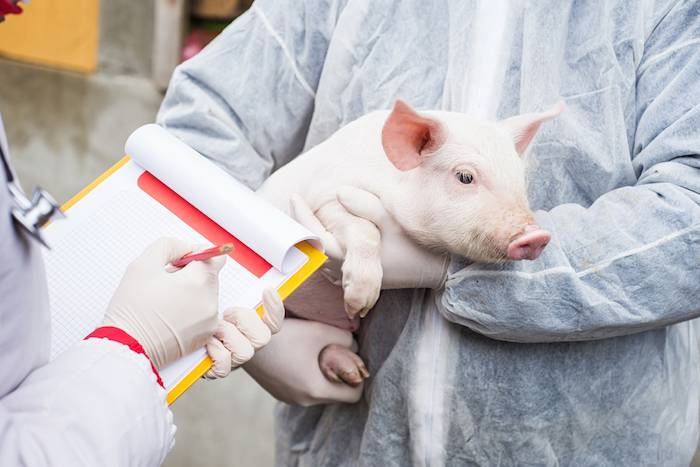
Mice, rats, cats, ferrets, pigs, monkeys and other animals have had their
spines crushed, severed, infected, and compressed in experiments that have
failed to provide any cure for human patients.
Ignoring these failures, the University of Montana in Missoula (UM) is planning to expand the human-based clinical studies at its Neural Injury Center to include a new facility to conduct spinal cord injury on large animals.
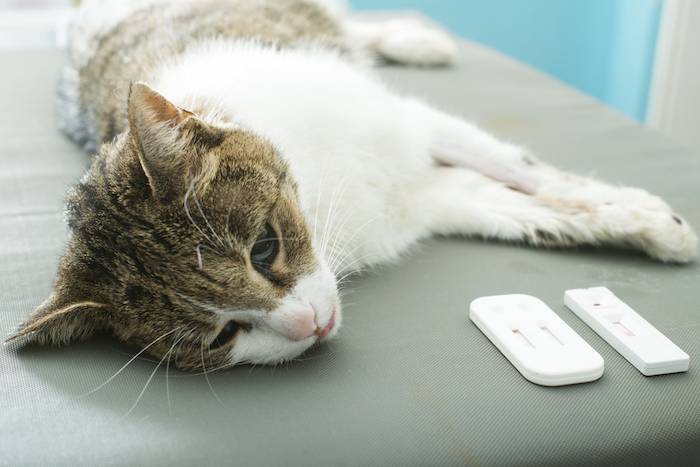
This will likely mean monkeys, pigs, cats or other animals subjected to
painful and invasive spinal cord injuries. This is carried out by surgically
exposing the spinal cord and then employing a variety of methods that
include dropping weights onto the cord, stretching it with metal rods,
dissecting it with a scalpel, or compressing the spinal cord for long
periods to induce injury.
Animals may be kept alive for months to observe healing as they struggle
with postoperative complications and devastating effects of paralysis, often
without pain relieving medications.
Dr. Charles Tator, an expert on spinal cord injury wrote in 2006 that:
“Despite the availability of several experimental [animal] models that
closely simulate the pathophysiology of SCI [spinal cord injury] in humans,
most human trials in SCI have failed to reproduce the effectiveness of the
trials in animal models.” He conducted an updated review in 2012 confirming
the same conclusions.
Yet each year millions of dollars continue to be awarded by government and
private foundations to fund these cruel experiments, despite a dismal track
record of benefitting people with spinal cord injury.
Modern technologies using human cells and tissues offer hope to deliver
clinically-relevant treatments. 3D cellular models with living nervous
tissue have shown success with studying regeneration and healing.
Biotech company AxoSim has developed a nerve-on-a-chip that can mimic living
tissue and demonstrate precise mechanisms of human nerve cell physiology in
response to drugs or compounds.
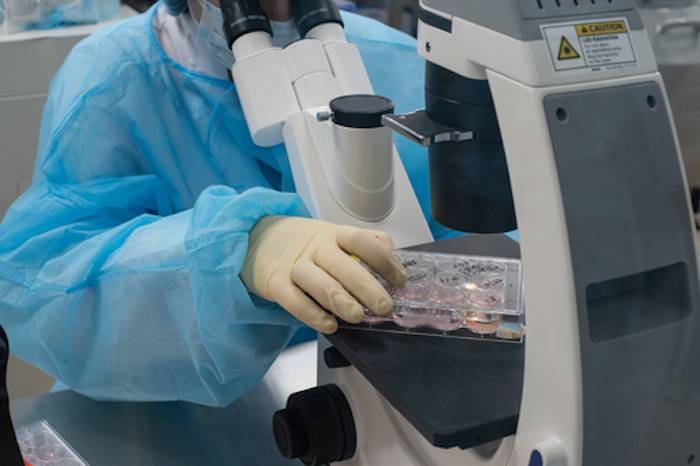
AnaBios is another biotech company utilizing human-only tissue to
generate highly relevant predictive human data. AnaBios uses donated tissues
and organs to study the uniquely human responses of functionally relevant
tissues, including human spinal cord tissue samples and neuronal cell
cultures.
These companies offer their technologies to other scientists and could
partner with UM to carry out cutting-edge, human-relevant research on spinal
cord and other neural tissue injury.
Return to Alternatives to Animal Testing, Experimentation and Dissection
Follow us on:


- Home Page
- What's New
- Contact Us
- Action Alerts
- Animal Exploitation
- Animal Issues
- Animal Rights Activism
- Archives
- Art & Photography
- Articles Directory
- Bible
- Bible Commentary Blog
- Books
- Campaigns
- Church & Religion
- Discussions
- Events / Podcasts / Media
- Health
- Hosted Web Sites
- Humor
- Kids' Korner
- Letters
- Links
- Nature Studies
- Newsletter
- Poetry & Stories
- Prayers
- Quotations
- Recipes with Photos
- Recipes Without Photos
- Sermons
- Stop Cruelty in Churches
- Video Library
- The Mary T. and Frank L. Hoffman Family Foundation
- Email: [email protected]
A web site sponsored by The Mary T. and Frank L. Hoffman Family Foundation and all-creatures.org
Copyright © 1998-2026 The Mary T. and Frank L. Hoffman Family Foundation. All rights reserved. May be copied only for personal use or by not-for-profit organizations to promote compassionate and responsible living. All copied and reprinted material must contain proper credits and web site link www.all-creatures.org.
Fair Use Notice: This document, and others on our web site, may contain copyrighted material whose use has not been specifically authorized by the copyright owners. We believe that this not-for-profit, educational use on the Web constitutes a fair use of the copyrighted material (as provided for in section 107 of the US Copyright Law). If you wish to use this copyrighted material for purposes of your own that go beyond fair use, you must obtain permission from the copyright owner.

Thank you for visiting all-creatures.org.