Fishes and other Sea Animals Articles used with permission from All-Creatures.org
The Captain Paul Watson Foundation shares the exciting news that the High Seas Treaty, which commits nations to protecting a portion of international waters, has been ratified. While this is certainly cause for celebration, much work remains to ensure the treaty is adhered to and marine ecosystems are truly protected.
High Seas Treaty Ratified
From The Captain Paul Watson Foundation, PaulWatsonFoundation.org
September 2025
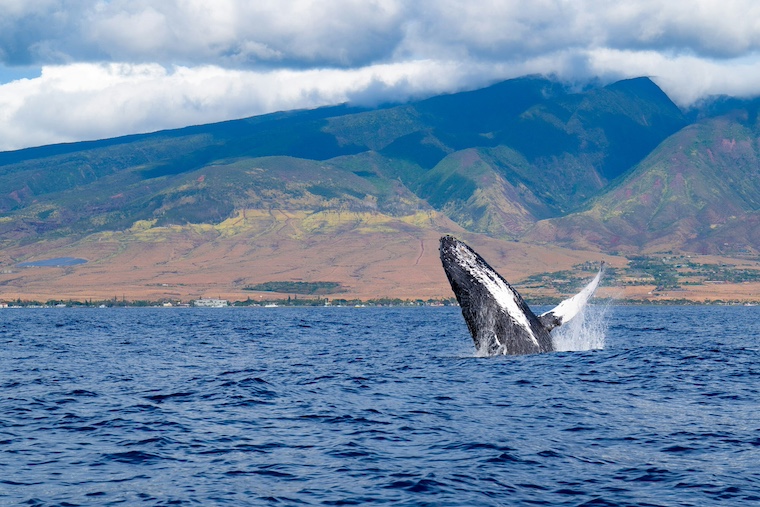
Photo from the Captain Paul Watson Foundation
The Captain Paul Watson Foundation welcomes the ratification of the High Seas Treaty, a landmark achievement for ocean conservation. Yesterday, Morocco became the 60th country to ratify the treaty, the final signature needed for it to enter into force. This historic milestone ensures that, for the first time in history, there is a legally binding framework to protect two-thirds of the world’s oceans that lie beyond national borders.
Originally signed in 2023, the High Seas Treaty commits nations to protecting 30% of international waters by creating Marine Protected Areas. However, this agreement could only take effect once 60 countries had ratified it. That threshold has now been reached, and the treaty will officially enter into force in January 2026.
Captain Paul Watson added: “The High Seas Treaty ratification gives legal justification, along with the U.N. World Charter for Nature, for NGOs to intervene against activities threatening life, diversity and interdependence in the sea.”
Environmentalists around the world are calling this a “monumental achievement” and proof that nations can work together to protect our shared planet.
The Mission Continues
While the ratification is cause for celebration, the Captain Paul Watson Foundation stresses that the fight is far from over. Industrial krill trawlers are currently devastating the Antarctic ecosystem, stripping away the very foundation of the food chain upon which whales, penguins, seals, and countless other species depend.
This destructive exploitation directly threatens the biodiversity the High Seas Treaty is designed to protect. Our mission is clear: to defend life in the ocean, enforce these new protections, and expose and confront the industries that profit from the destruction of marine ecosystems.
The Captain Paul Watson Foundation will continue its direct-action campaigns in Antarctica and across the world’s oceans, ensuring that the promise of the High Seas Treaty becomes a reality in practice, not just on paper.
Posted on All-Creatures.org: September 22, 2025
Return to Fishes and Other Sea Animals Articles
Follow us on:


- Home Page
- What's New
- Contact Us
- Action Alerts
- Animal Exploitation
- Animal Issues
- Animal Rights Activism
- Archives
- Art & Photography
- Articles Directory
- Bible
- Bible Commentary Blog
- Books
- Campaigns
- Church & Religion
- Discussions
- Events / Podcasts / Media
- Health
- Hosted Web Sites
- Humor
- Kids' Korner
- Letters
- Links
- Nature Studies
- Newsletter
- Poetry & Stories
- Prayers
- Quotations
- Recipes with Photos
- Recipes Without Photos
- Sermons
- Stop Cruelty in Churches
- Video Library
- The Mary T. and Frank L. Hoffman Family Foundation
- Email: [email protected]
A web site sponsored by The Mary T. and Frank L. Hoffman Family Foundation and all-creatures.org
Copyright © 1998-2026 The Mary T. and Frank L. Hoffman Family Foundation. All rights reserved. May be copied only for personal use or by not-for-profit organizations to promote compassionate and responsible living. All copied and reprinted material must contain proper credits and web site link www.all-creatures.org.
Fair Use Notice: This document, and others on our web site, may contain copyrighted material whose use has not been specifically authorized by the copyright owners. We believe that this not-for-profit, educational use on the Web constitutes a fair use of the copyrighted material (as provided for in section 107 of the US Copyright Law). If you wish to use this copyrighted material for purposes of your own that go beyond fair use, you must obtain permission from the copyright owner.
Thank you for visiting all-creatures.org.
